
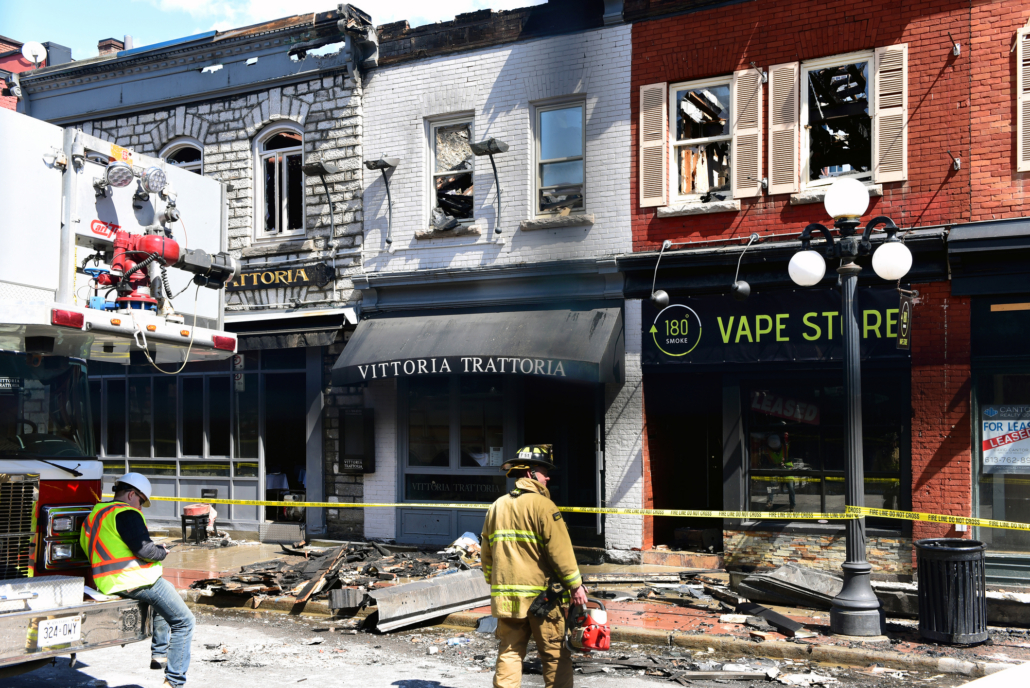
A house fire can leave a Mississippi family dealing with shock, displacement, damaged property, and immediate questions about insurance coverage. Even when everyone gets out safely, the financial consequences can be severe. The home may be uninhabitable, personal belongings may be destroyed, smoke and water may have damaged areas untouched by flames, and the insurance company may begin investigating almost immediately.
The decisions you make during the first few days can affect both your safety and your insurance claim. You may need temporary housing, emergency repairs, access to medications or important documents, and help understanding what the insurance company expects from you. At the same time, you should be careful not to destroy evidence, discard damaged property too quickly, or sign documents you do not fully understand.
At Barrett Law, PLLC, I represent Mississippi homeowners involved in serious fire insurance disputes. After a major residential fire, I want families to protect themselves first, then take practical steps to preserve the property, document the loss, and create a clear record of everything submitted to the insurance company.
Make Sure the Property Is Safe Before Going Back Inside
Your first concern after a house fire should be personal safety. A structure that appears stable from the outside may contain weakened floors, damaged electrical systems, compromised walls, toxic smoke residue, standing water, or other hazards. Do not enter the home simply to retrieve belongings unless fire officials or other appropriate professionals have determined that it is safe to do so.
Fire departments may restrict access until the scene has been evaluated. Follow those instructions. If the structure is severely damaged, you may need a contractor, engineer, electrician, or other professional to determine whether entry is safe.
Insurance evidence matters, but no photograph or personal item is worth risking serious injury. Once the property can be accessed safely, documentation and preservation can begin.
Notify Your Insurance Company Promptly
Report the fire to your homeowners insurance carrier as soon as reasonably possible. Most policies impose duties after a loss, which can include providing timely notice, protecting the property from further damage, cooperating with the investigation, and supplying requested documentation.
When reporting the claim, obtain the claim number and contact information for the assigned adjuster. Keep a record of the date and time you reported the loss and the name of the representative who took the claim.
You do not need to provide a complete inventory of every damaged item during the first telephone call. A serious house fire can take substantial time to document accurately. Provide truthful basic information and make clear that additional details will follow as the damage is evaluated.
Protect the Home From Additional Damage
Homeowners policies commonly require policyholders to take reasonable steps to protect damaged property from further loss when it can be done safely. That may include boarding broken windows, covering openings in a roof, securing doors, or taking temporary measures to prevent additional weather or theft damage.
This does not mean you should immediately begin permanent reconstruction or alter the fire scene before the insurance company and appropriate investigators have had an opportunity to inspect it.
Emergency measures should be reasonable and documented. Photograph the condition before temporary work begins whenever possible, keep receipts for materials and contractors, and preserve records showing why the work was necessary.
If the damage is extensive, coordinate significant emergency repairs with the insurer so there is less opportunity for a later dispute about what conditions existed immediately after the fire.
Photograph and Video the Entire Property
Detailed documentation is one of the most important steps after a fire. Once you can safely access the property, take extensive photographs and video of every affected area.
Do not photograph only the places where flames were visible. Smoke, soot, heat, and water used during firefighting can damage rooms throughout a house. Document walls, ceilings, floors, windows, appliances, cabinets, furniture, electronics, clothing, and personal belongings.
Take both wide photographs showing entire rooms and close-up images showing specific damage. If portions of the home are later demolished or cleaned, these images may become some of the best evidence showing the original condition.
Keep the original digital files and create backups rather than relying on one phone or device.
Do Not Throw Away Damaged Property Too Quickly
The urge to clean up after a fire is understandable. Burned clothing, furniture, electronics, appliances, and household items may appear worthless. However, discarding them before the insurer has had an opportunity to document the loss can create problems.
The insurance company may later ask for evidence that particular property existed, was damaged, or required replacement. Physical items, photographs, receipts, warranties, credit card records, online purchase histories, and family photographs can all help prove ownership and value.
If health or safety conditions require something to be discarded, photograph it thoroughly first and keep records of what was removed and why. When possible, discuss significant disposal decisions with the adjuster or attorney before destroying important evidence.
Begin Creating a Personal Property Inventory
A major house fire can destroy hundreds or thousands of individual belongings. Creating a personal property inventory can be time-consuming, but it is often necessary to recover the benefits available under the policy.
Work room by room. List furniture, appliances, electronics, clothing, kitchen equipment, tools, decorations, books, jewelry, sporting equipment, and other belongings that were damaged or destroyed.
Include the brand, model, approximate purchase date, original cost, and replacement cost when you can determine those details. Do not guess wildly simply to complete the form. If information is uncertain, identify it as an estimate and continue looking for records that may help.
Old photographs can be surprisingly useful. Family pictures taken before the fire may show furniture, electronics, artwork, and other property that no longer exists.
Keep Receipts for Temporary Housing and Additional Expenses
If the home is uninhabitable, your policy may contain additional living expense coverage, subject to its specific terms and limits. This type of coverage may help with qualifying costs created because you cannot live normally in your home after a covered fire.
Keep receipts for hotels, temporary rentals, increased meal expenses where applicable, laundry, storage, transportation, and other additional costs related to displacement. The policy will control which expenses qualify and how long benefits are available.
Maintain these records from the first day. Trying to reconstruct months of living expenses after the fact can be difficult and may result in valid costs being overlooked.
Request a Complete Copy of Your Insurance Policy
Do not rely solely on an insurance identification page or coverage summary. Obtain the complete homeowners policy, including declarations, endorsements, exclusions, conditions, and any amendments applicable on the date of the fire.
The policy should explain important issues such as dwelling limits, personal property coverage, additional living expenses, deductibles, replacement cost provisions, and duties after loss.
Understanding the policy early can help prevent mistakes. For example, replacement cost coverage may operate differently from actual cash value coverage, and additional payments may depend upon completing repairs or replacement within policy requirements.
A serious fire claim should be evaluated from the contract itself rather than assumptions about what homeowners insurance normally covers.
Be Careful With Recorded Statements
The insurer may ask you to provide a recorded statement about how the fire started, who was home, the condition of the property, previous repairs, prior claims, or other issues. Some questions may be routine, while others can become important if the insurer later raises a coverage defense.
Answer truthfully and do not speculate. If you do not know what caused the fire, say that you do not know rather than guessing. Fire origin and cause should be determined from evidence and qualified investigation.
In a major claim, especially one involving questions about cause, occupancy, finances, or alleged misrepresentation, consider obtaining legal advice before giving a detailed recorded statement.
Fire Damage Is Not Limited to What Burned
One of the most common problems in fire claims is underestimating the full scope of loss. A fire may be contained to one area while smoke and soot travel throughout the structure. Water used to extinguish the fire can damage flooring, drywall, insulation, electrical systems, and personal property.
HVAC systems can circulate smoke residue into rooms far from the point of origin. Electronics can also be damaged by heat, smoke, or corrosive residue even when they do not show visible burn marks.
A complete claim should evaluate direct fire damage, smoke and soot contamination, water damage, structural effects, personal property losses, and other covered consequences rather than focusing only on the most visibly burned area.
Be Careful With Contractors Who Appear Immediately After the Fire
Homeowners may be approached quickly by restoration companies, public adjusters, contractors, roofers, and other businesses offering assistance. Some may provide legitimate and valuable services, but you should not feel pressured to sign a major contract while you are still trying to understand the scope of the damage.
Read agreements carefully. Determine how the company will be paid, whether you are assigning insurance benefits or rights, what services are included, and what happens if the insurer refuses to pay the full amount charged.
Emergency stabilization may be necessary, but permanent reconstruction is a major financial commitment. Compare options and understand contractual obligations before signing whenever circumstances allow.
Do Not Accept the First Insurance Estimate as Automatically Correct
The insurance company will likely send an adjuster to inspect the property and prepare an estimate. That estimate is the insurer’s evaluation of the loss, not necessarily the final amount required to restore the property.
Compare it with detailed estimates from qualified contractors. Look for omitted rooms, missing materials, inadequate smoke remediation, incorrect quantities, unrealistic labor costs, and disagreements over whether damaged components should be repaired or replaced.
If the insurer’s estimate is significantly lower than real-world contractor pricing, document the difference and request reconsideration or reinspection.
Preserve Evidence if the Cause of the Fire Is Disputed
The cause of the fire may become important if the insurer questions coverage or alleges intentional conduct, defective equipment, electrical problems, or another specific cause.
Do not allow important items to be discarded before they can be inspected when causation is disputed. Electrical components, appliances, heaters, wiring, or other potential sources may become significant evidence.
The insurer may have its own origin-and-cause investigator. Depending upon the size and circumstances of the claim, the homeowner may also need an independent investigation.
Once critical evidence is destroyed, reconstructing the cause of the fire can become much harder.
Keep a Written Timeline of the Insurance Claim
A serious fire claim can continue for months or longer. Maintain a written chronology showing when the fire occurred, when the claim was reported, when inspections took place, what documents were requested, what you submitted, what payments were made, and what remains unresolved.
Keep copies of emails, letters, estimates, photographs, contractor proposals, inventories, receipts, and claim forms. Make notes after important telephone conversations identifying who you spoke with and what was discussed.
A detailed record becomes especially useful if the insurer later delays payment, disputes whether documents were provided, changes its coverage position, or underpays the loss.
How Barrett Law, PLLC Helps Mississippi Families After Serious House Fires
At Barrett Law, PLLC, I review the fire loss from both the coverage and valuation perspectives. I examine the policy, dwelling damage, personal property, smoke and soot contamination, water damage, additional living expenses, contractor estimates, insurer inspections, and the chronology of the claim.
When the insurer disputes the cause, scope, or value of the fire loss, I work to identify the evidence necessary to challenge unsupported conclusions. If the company delays, denies, or substantially underpays valid benefits, I evaluate the contractual claim and whether the insurer’s handling of the matter raises additional issues under Mississippi law.
A major house fire can affect a family for months or years. The insurance claim should reflect the full covered loss rather than only the portion the insurer initially chooses to recognize.
Has Your Mississippi Home Been Damaged or Destroyed by Fire? Call Jonathan Barrett 24/7/365 for Your FREE Consultation
If a fire has damaged or destroyed your Mississippi home, protecting your insurance claim can be almost as important as beginning the physical recovery process. The insurer may be evaluating the cause, documenting the property, calculating repair costs, and determining what it believes should be paid while you are still trying to find a place to live.
Barrett Law, PLLC represents Mississippi homeowners in serious fire insurance disputes involving destroyed homes, smoke and soot damage, personal property losses, additional living expenses, underpaid estimates, delayed claims, wrongful denials, and potential insurance bad faith. I work to document the complete loss, protect important evidence, challenge unsupported insurance positions, and pursue the benefits available under the policy.
Call Mississippi attorney Jonathan Barrett 24/7/365 at (601) 790-1505 for Your FREE Consultation.