
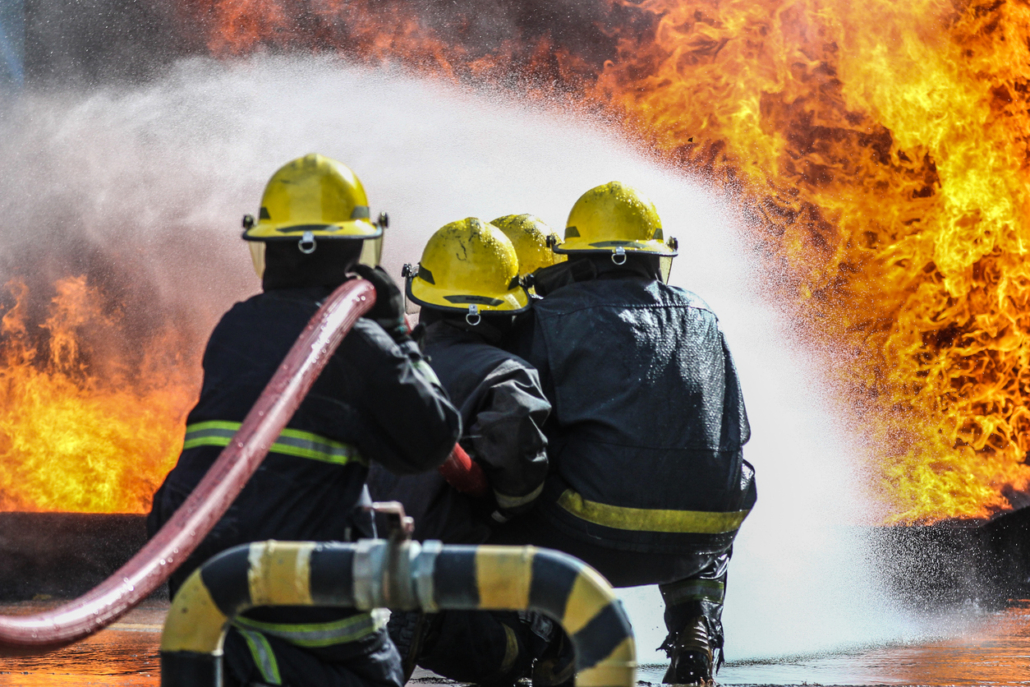
A major fire can cause losses that extend far beyond the portions of a building that were directly burned. A Mississippi homeowner may face structural damage, smoke and soot contamination, water damage from firefighting efforts, destroyed personal belongings, and months of temporary living expenses. A business owner may face those same property losses while also losing income, customers, inventory, equipment, and the ability to operate from the damaged location.
Understanding what compensation may be available begins with the insurance policy. Different policies provide different types and amounts of coverage, and the benefits available after a residential fire may differ substantially from those available under a commercial property policy. Coverage limits, deductibles, exclusions, endorsements, valuation provisions, and post-loss requirements can all affect the amount ultimately paid.
At Barrett Law, PLLC, I represent Mississippi property owners involved in serious fire insurance disputes. When evaluating a major fire loss, I look beyond the initial insurance estimate and examine every category of damage that may be covered. The goal is to determine what the fire actually cost the policyholder and whether the insurance company has accurately valued the complete loss.
Compensation for Damage to the Home or Building
For many property owners, the largest part of a fire insurance claim involves damage to the structure itself. A residential claim may involve walls, roofing, framing, flooring, windows, doors, electrical systems, plumbing, insulation, cabinets, fixtures, and HVAC equipment. A commercial property claim can include these same building components along with specialized improvements necessary for business operations.
The amount available depends upon the policy and how the damaged property is valued. Some policies may initially calculate benefits using an actual cash value approach that accounts for depreciation, while replacement cost coverage may provide additional benefits if applicable policy requirements are satisfied.
A major dispute can develop when the insurance company estimates that parts of the structure can be repaired while contractors believe replacement is necessary. In these cases, detailed estimates, photographs, engineering information when appropriate, and documentation of actual construction costs can become important.
Smoke and Soot Damage Can Be a Significant Part of the Loss
Fire damage is not limited to materials that burned. Smoke and soot can travel throughout a structure and contaminate areas far from the original fire.
Walls, ceilings, insulation, furnishings, clothing, electronics, ductwork, equipment, and other property may absorb smoke or become coated with soot. The odor and contamination can remain long after visible burn damage has been removed.
An insurance estimate that focuses primarily on flame damage may substantially underestimate the actual restoration work required. Depending upon the circumstances and policy, proper remediation may involve specialized cleaning, replacement of porous materials, duct cleaning, sealing, deodorization, or other work.
The claim should therefore account for the complete effect of smoke and soot rather than treating those losses as cosmetic inconveniences.
Water Damage From Firefighting Efforts May Also Be Covered
Firefighters frequently use substantial amounts of water to extinguish a serious structure fire. That water can cause additional damage to ceilings, walls, flooring, insulation, electrical systems, furniture, machinery, inventory, and other property.
Water may also travel into portions of the building untouched by the flames. Moisture trapped behind walls or beneath flooring can create additional problems if it is not properly addressed.
When evaluating a fire claim, the insurer should consider the damage caused by efforts to extinguish the covered fire, subject to the terms of the policy. Homeowners and business owners should photograph water-damaged areas and preserve contractor or remediation documentation showing the work required.
Personal Property Can Represent a Major Portion of a Residential Claim
A serious house fire can destroy years or decades of accumulated belongings. Furniture, appliances, electronics, clothing, tools, kitchen equipment, artwork, books, jewelry, sporting goods, and other personal possessions may all be damaged in a single event.
The challenge is proving what existed and what it was worth. Insurance companies may ask for a detailed personal property inventory identifying the item, approximate age, original cost, and replacement value.
Receipts are useful but are rarely available for everything accumulated over many years. Credit card statements, online purchase histories, warranties, family photographs, videos, and other records may help document ownership.
A careful room-by-room inventory can substantially improve the accuracy of a personal property claim.
Replacement Cost and Depreciation Can Affect the Amount Paid
Property owners are often surprised by the difference between replacement cost and an insurer’s initial payment. Depending upon the policy, the insurance company may depreciate damaged property based upon age, condition, or expected useful life.
For example, an item that costs $2,000 to replace today may initially be valued at less than $2,000 because it was several years old at the time of the fire. Certain replacement cost policies may provide additional amounts after qualifying repairs or replacement are completed.
The policy language controls how these calculations operate. Policyholders should understand which amounts have been withheld as depreciation, whether that depreciation may later be recoverable, and what deadlines or documentation requirements apply.
A large depreciation deduction can significantly reduce an initial payment, making this an important part of the claim to review carefully.
Additional Living Expenses After a House Fire
A home that survives a fire may still be uninhabitable for months. Smoke contamination, structural damage, electrical hazards, water damage, and ongoing construction can prevent a family from safely returning.
Depending upon the homeowners policy, additional living expense coverage may help pay qualifying increased costs associated with living elsewhere during the covered period. These expenses may include temporary housing and certain additional costs caused by displacement.
Policyholders should keep receipts and detailed records from the first day they are forced out of the home. Hotel bills, rental agreements, storage costs, increased meal expenses where applicable, and other qualifying expenditures can add up quickly.
Coverage limits and time periods can apply, so families should understand how much additional living expense protection is available and how long it may continue.
Debris Removal and Demolition Costs
A severe fire can leave behind burned building materials, damaged contents, collapsed structural components, and hazardous debris that must be removed before rebuilding can begin.
Demolition and debris removal can become substantial expenses, especially when portions of a building must be safely dismantled or when specialized disposal procedures are required.
These costs may be addressed separately under the policy or included within particular coverage limits. The way they are treated can affect how much money remains available for actual reconstruction.
Before demolition begins, photographs and other evidence should document the original damage because once the structure is removed, proving what existed immediately after the fire becomes much harder.
Building Code and Ordinance Costs
Rebuilding an older property after a major fire may require compliance with current building codes that did not apply when the structure was originally constructed. Electrical, roofing, structural, fire protection, accessibility, or other systems may need upgrades before permits and inspections will be approved.
Depending upon the policy, ordinance or law coverage may provide benefits for some qualifying increased costs associated with code compliance. This coverage can be especially important when a significant portion of an older structure requires reconstruction.
Property owners should not assume every code upgrade is automatically covered, but they should also make sure applicable coverage is not overlooked. Contractor documentation identifying required upgrades and their costs can help support the claim.
Commercial Equipment and Inventory Losses
Business fire claims can involve property far beyond the building itself. Machinery, office equipment, computers, tools, furniture, raw materials, finished goods, inventory, supplies, signage, and specialized business property may all be damaged.
Replacing specialized equipment can be expensive and may require long lead times. Some machinery may need professional evaluation to determine whether smoke, heat, water, or corrosive residue caused damage even when the equipment appears intact.
Businesses should preserve purchase records, equipment specifications, photographs, depreciation schedules, inventory records, and repair or replacement estimates. These documents can help establish the value of commercial property that may not be readily understandable to an ordinary insurance adjuster.
Business Interruption Losses Can Be Substantial
A commercial fire can stop revenue immediately while many business expenses continue. Rent, loan payments, salaries, taxes, utilities, insurance premiums, and other obligations may remain even when the company cannot operate normally.
Depending upon the policy, business interruption or business income coverage may provide compensation for qualifying losses during the period required to restore operations. Calculating those losses can involve historical revenue, expenses, seasonal patterns, contracts, expected growth, and the length of the interruption.
These claims frequently become disputed because determining what a business would have earned had the fire never occurred requires financial analysis. Tax returns, profit-and-loss statements, sales reports, contracts, bank records, and accounting information can become important evidence.
Extra Expenses May Help a Business Keep Operating
A business may spend additional money in an effort to continue operating while the damaged property is repaired. It might rent temporary space, lease replacement equipment, pay expedited shipping costs, relocate employees, or use temporary computer and communications systems.
Depending upon the policy, qualifying extra expenses may be covered when they are reasonably incurred because of the insured loss.
Business owners should document why each unusual expense was necessary and preserve invoices and receipts. The connection between the fire and the added cost should be clear.
Properly documenting these expenses from the beginning is much easier than trying to reconstruct them after months of recovery.
Losses May Exceed the Insurance Company’s Initial Estimate
The first adjuster estimate rarely tells the complete story of a major fire. Hidden damage may be discovered during demolition, contractor prices may differ from insurer estimates, and smoke or water contamination may prove more extensive than originally believed.
Supplemental claims may therefore become necessary, depending upon the policy and circumstances. Property owners should continue documenting newly discovered damage and obtain professional estimates explaining why additional work is required.
An initial insurance payment does not necessarily establish the final value of every part of the loss unless the claim has been fully settled or released.
Policy Limits Can Restrict Available Compensation
Even when the total loss is substantial, insurance policies contain limits. Dwelling, personal property, additional living expense, business property, business interruption, and other coverages may each have separate limits or sublimits.
Certain categories of property, such as jewelry, collectibles, cash, or specialized items, may also be subject to specific limitations unless additional coverage was purchased.
Understanding these limits is essential when evaluating how much can realistically be recovered under the policy. A claim may be worth substantially more than the available insurance benefits, particularly after a total loss.
This is another reason reviewing the complete policy early in the claims process is important.
A Low Payment Does Not Automatically Mean the Insurer Acted in Bad Faith
Insurance companies and property owners can legitimately disagree over repair costs, valuation, depreciation, or the scope of damage. A low estimate alone does not automatically establish insurance bad faith.
More serious concerns may arise when the insurer ignores substantial evidence, refuses to investigate significant damage, misrepresents coverage, repeatedly delays without a reasonable basis, or maintains an unsupported valuation after receiving credible documentation showing additional covered losses.
The first objective is determining what benefits the policy requires the company to pay. Any potential bad faith claim requires a separate analysis of how and why the insurer handled the claim as it did.
How Barrett Law, PLLC Evaluates Compensation After a Major Mississippi Fire
At Barrett Law, PLLC, I review every significant category of loss rather than focusing only on the insurer’s initial building estimate. I examine structural damage, smoke and soot contamination, water damage, personal or business property, additional living expenses, debris removal, code-related costs, business interruption losses, extra expenses, depreciation, and applicable policy limits.
I also compare the insurer’s calculations with contractor estimates, financial records, photographs, inventories, professional evaluations, and other evidence documenting the loss. When legitimate covered damage has been omitted or undervalued, I work to challenge the insurer’s position and pursue the additional benefits owed.
A major fire insurance claim should reflect the complete covered loss rather than only the most visible damage.
Has a Major Fire Damaged Your Mississippi Home or Business? Call Jonathan Barrett 24/7/365 for Your FREE Consultation
A major fire can affect your property, finances, living arrangements, and ability to operate a business for months or years. Determining the value of the claim requires examining far more than the areas directly touched by flames, because smoke, soot, water damage, destroyed contents, displacement, and interrupted business operations can create substantial additional losses.
Barrett Law, PLLC represents Mississippi homeowners and business owners in serious fire insurance disputes involving structural damage, personal and commercial property losses, additional living expenses, business interruption, underpaid claims, delayed payments, wrongful denials, and potential insurance bad faith. I work to document the complete covered loss and pursue the insurance benefits available under the policy.
Call Mississippi attorney Jonathan Barrett 24/7/365 at (601) 790-1505 for Your FREE Consultation.